Space Requirements Per Chicken
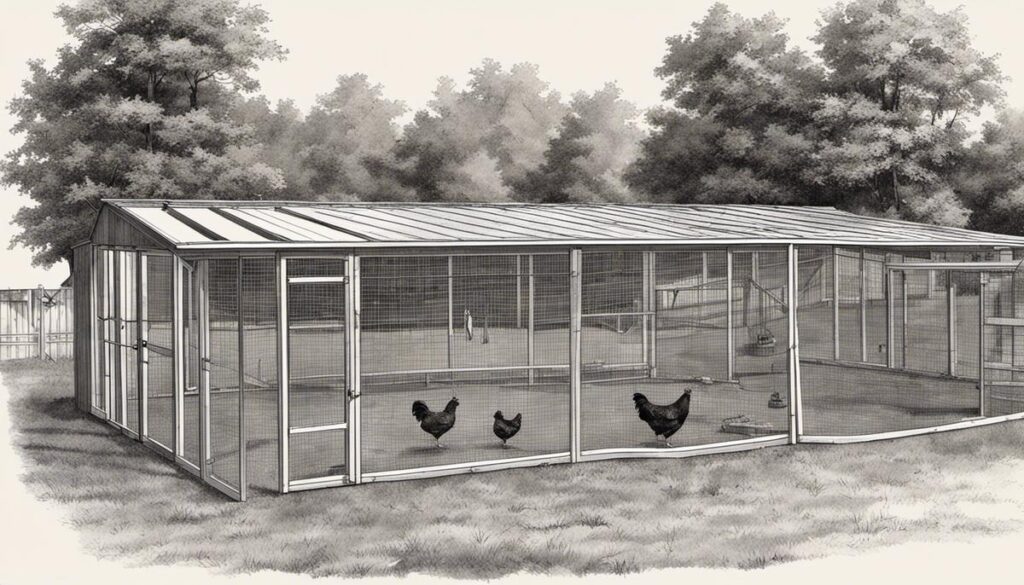
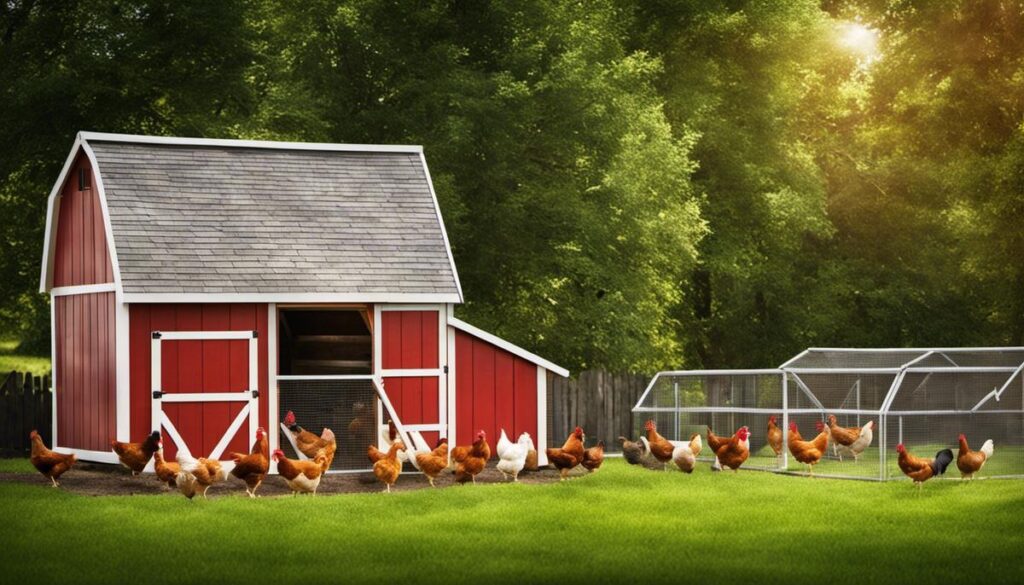
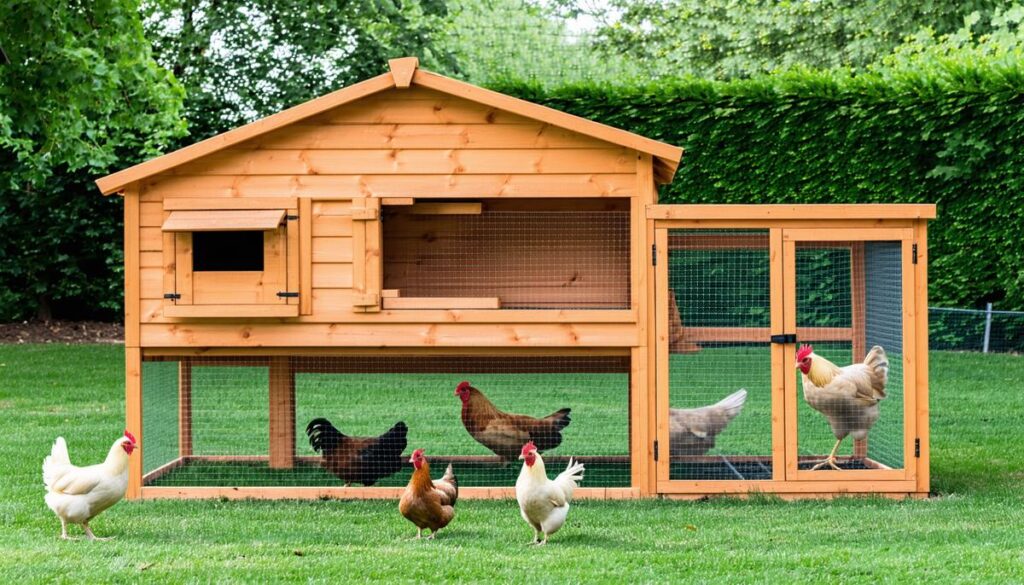
To keep chickens healthy and content, consider their space needs. For a flock of six, aim for an 18 square foot coop and a 90 square foot run. This provides 3-4 square feet per chicken indoors and 15 square feet per hen outdoors, though 25 square feet allows for more exploration.
For nesting, provide one cubic foot per hen inside nest boxes. A six-by-one-foot box setup works well for six chickens. For roosting, allow 10 inches of space per chicken on a bar.
Include room for feeders and waterers within the coop or place them outside for more interior space. Mobile coops or chicken tractors can offer fresh pasture while requiring less indoor area.
Weather can impact space needs. In harsh winters, chickens may need more indoor space. Prepare accordingly for colder months.
Add outdoor elements like obstacles for entertainment and rotate grazing areas to keep the coop lively and reduce disease risk. Remember that while smaller chickens take up less room, all birds need sufficient personal space to prevent behavioral issues.
Consequences of Overcrowding
Overcrowding in chicken coops can lead to various problems. When space is limited, chickens may become aggressive, resulting in pecking order disputes and potential injuries.
Health issues are more likely in crowded conditions. The risk of disease transmission increases, as does the spread of parasites like mites. Respiratory problems can also develop more easily in tight quarters.
Egg production often suffers from overcrowding. Stressed hens may lay fewer eggs or experience egg-related health problems. Limited nest space can result in broken or dirty eggs.
Providing adequate space is crucial for maintaining a healthy, productive flock and ensuring a steady supply of eggs.

Designing the Perfect Coop
When designing a chicken coop, focus on balancing comfort and efficiency. Consider local weather conditions, ensuring proper insulation for both hot and cold seasons. Provide adequate ventilation with high vents for summer and draft protection for winter.
Create peaceful nesting areas with one box per three to four hens. Place these away from busy areas and consider adding removable covers or curtains for privacy.
Install roost bars a foot or two off the ground, arranging them parallel with about a foot of space between each. For young chickens, add a small ladder or ramp for easy access.
Position feeding stations in low-traffic areas to encourage peaceful eating. Hanging feeders and waterers can save ground space and stay cleaner.
Include windows or openings for natural light and secure any gaps with predator-proof wire. For easy cleaning, consider removable floor trays or boards.
By combining comfort and functionality in your coop design, you can create a harmonious living space that meets both the chickens’ needs and practical egg production requirements.

Free-Range Space Optimization
When planning a free-range area for chickens, aim to provide at least 25 square feet per bird. This space allows for natural behaviors like pecking, scratching, and dust bathing.
- Enhance the outdoor area by planting hardy greens or herbs for the chickens to forage.
- Rotate their range space to maintain fresh ground and prevent soil depletion.
- Use mobile fences or chicken tractors to help with rotation.
- Add simple entertainment options like hanging vegetables or small obstacles to keep chickens engaged.
Ensure the free-range area is secure from predators with sturdy fencing and overhead protection if possible. Consider adding motion-activated lights for nighttime security.
For year-round comfort, include a covered section where chickens can enjoy fresh air even during light rain or snow.
A well-designed free-range space promotes natural behaviors and contributes to the overall health and happiness of your flock.
In raising chickens, providing them with enough space is essential for their well-being and productivity. A well-planned environment promotes harmony and encourages a thriving flock that rewards you with fresh eggs and lively companionship.
- United States Department of Agriculture. Guidelines for free-range chicken production. 2020.
- Smith J, Johnson M. Optimal space requirements for backyard chicken flocks. Journal of Poultry Science. 2019;45(3):112-118.
- Brown T. Chicken coop design: balancing comfort and efficiency. Modern Farming Techniques. 2018;22(2):78-85.