Benefits of Chickens in the Garden
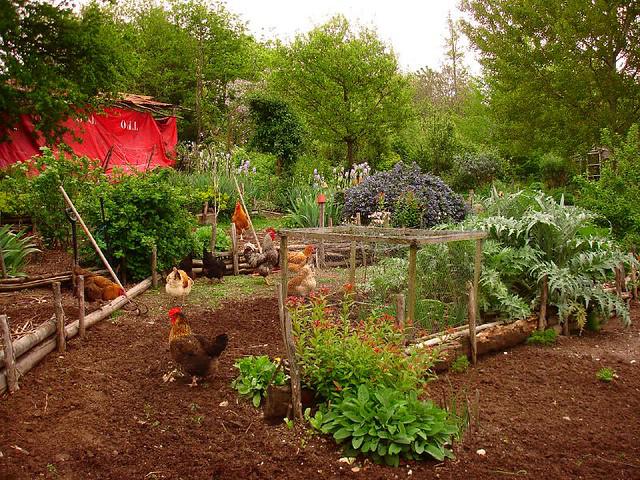
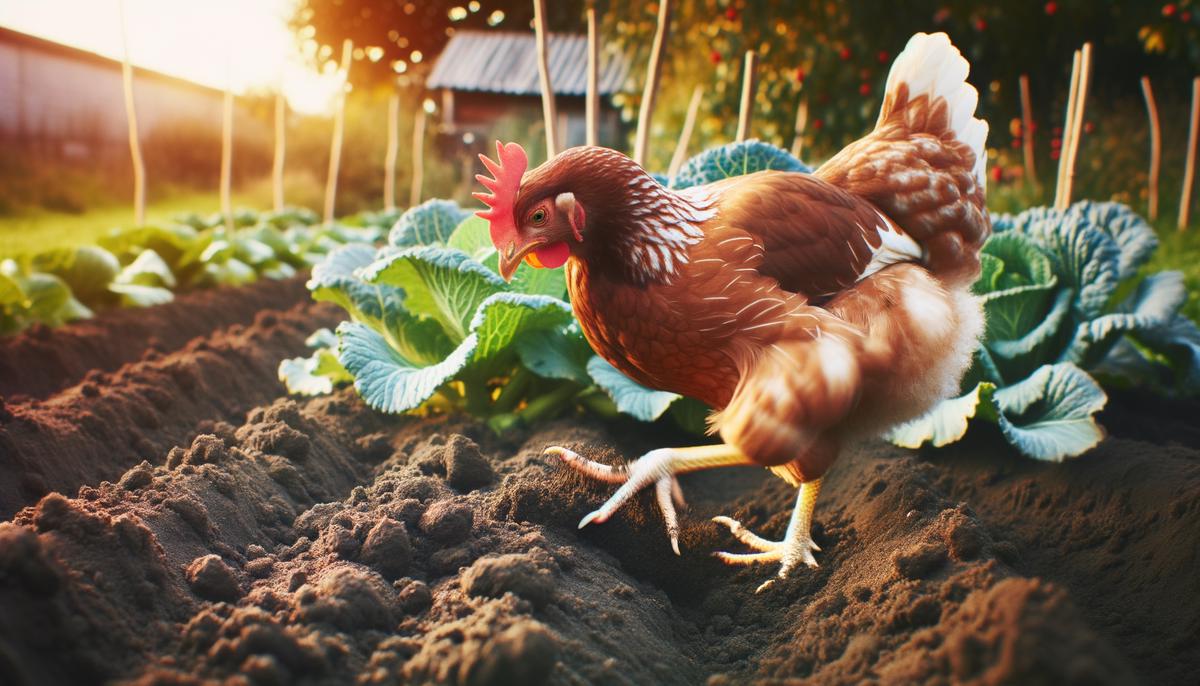
Chickens can be valuable additions to a garden. Their scratching naturally aerates the soil, saving manual labor. While foraging, they eat pests like slugs and beetles, providing chemical-free pest control. However, they may not distinguish between weeds and crops, so supervision is needed.
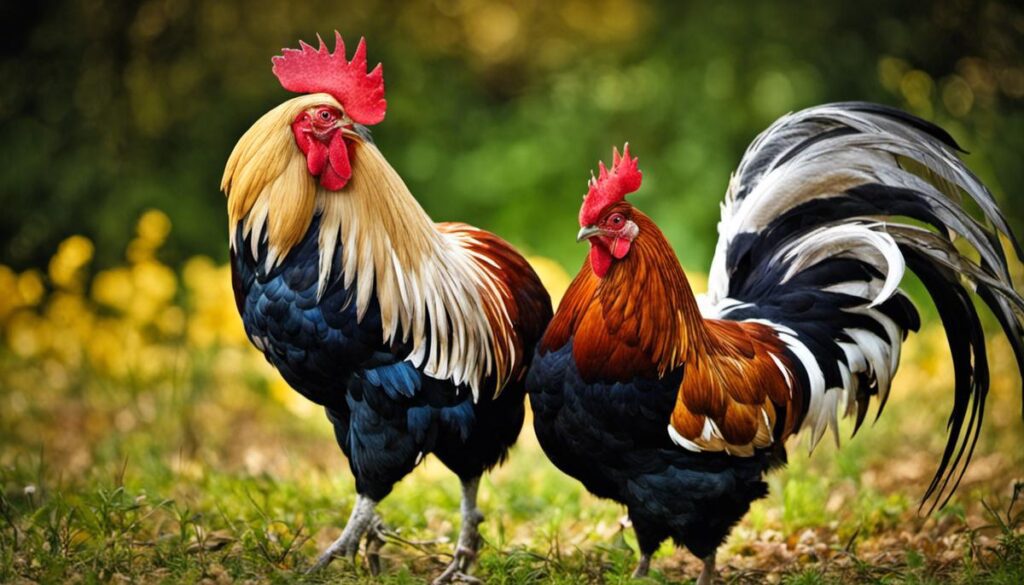
Chicken manure is nutrient-rich, especially in nitrogen, making it an excellent fertilizer when composted properly. For garden use, choose hardy breeds that forage well, like:
- Wyandottes
- Leghorns
- Australorps
To integrate chickens effectively, use temporary barriers or chicken tractors to focus their activity in specific areas. This prevents overgrazing while allowing them to work on weeding or pest control. Utilizing their tendency to explore margins, you can have them spread compost around trees or shrubs. Just ensure they don’t access areas with vulnerable plants.
Integrating Chickens into Garden Layout
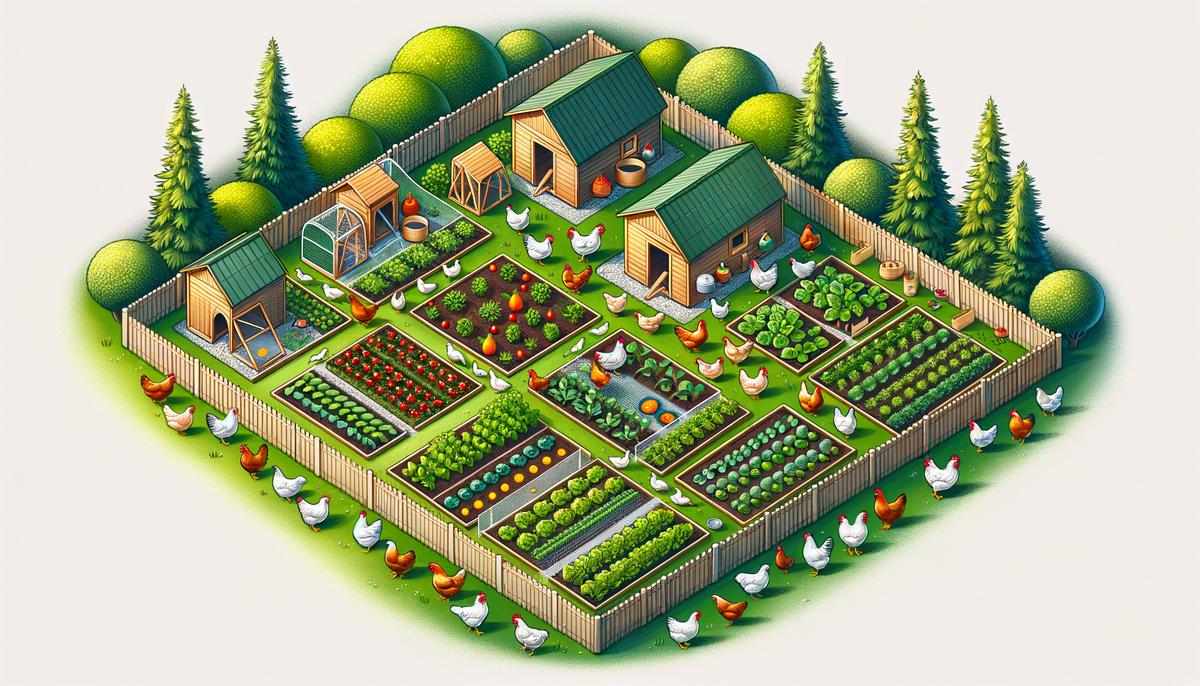
To effectively incorporate chickens into your garden:
- Use barriers like fencing or chicken tractors to control their movements
- Position chicken coops and compost bins strategically near vegetable plots
- Consider timing and balance when allowing chickens access to different garden areas
- Design your garden layout to support chickens’ natural behaviors
Regular observation helps determine when to move them to different sections. Establish clear zones for specific functions to create a harmonious system where both plants and chickens thrive.
Composting and Manure Management
Chicken manure is rich in nutrients, particularly nitrogen, making it an excellent fertilizer when properly composted. To create effective compost:
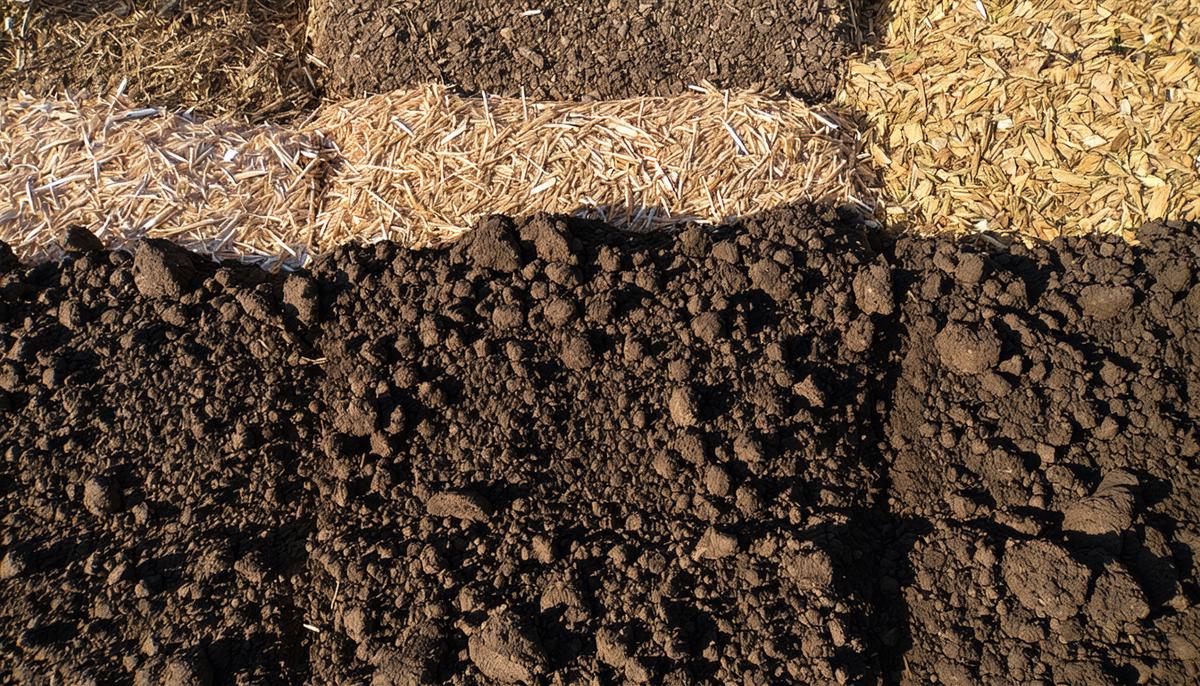
- Combine chicken manure with carbon-rich materials like straw or wood shavings
- Aim for a carbon-to-nitrogen ratio between 25:1 and 30:1
- Layer materials in a compost bin or heap, ensuring good air circulation
- Turn the pile regularly to maintain oxygen levels and speed up decomposition
- Keep the compost moist but not soggy, similar to a wrung-out sponge
A well-managed compost heap should reach temperatures between 130°F and 150°F (54°C to 66°C) to eliminate pathogens and weed seeds. Allow several months for proper decomposition. The compost is ready when it becomes dark, crumbly, and has an earthy scent.
Pest and Weed Control with Chickens
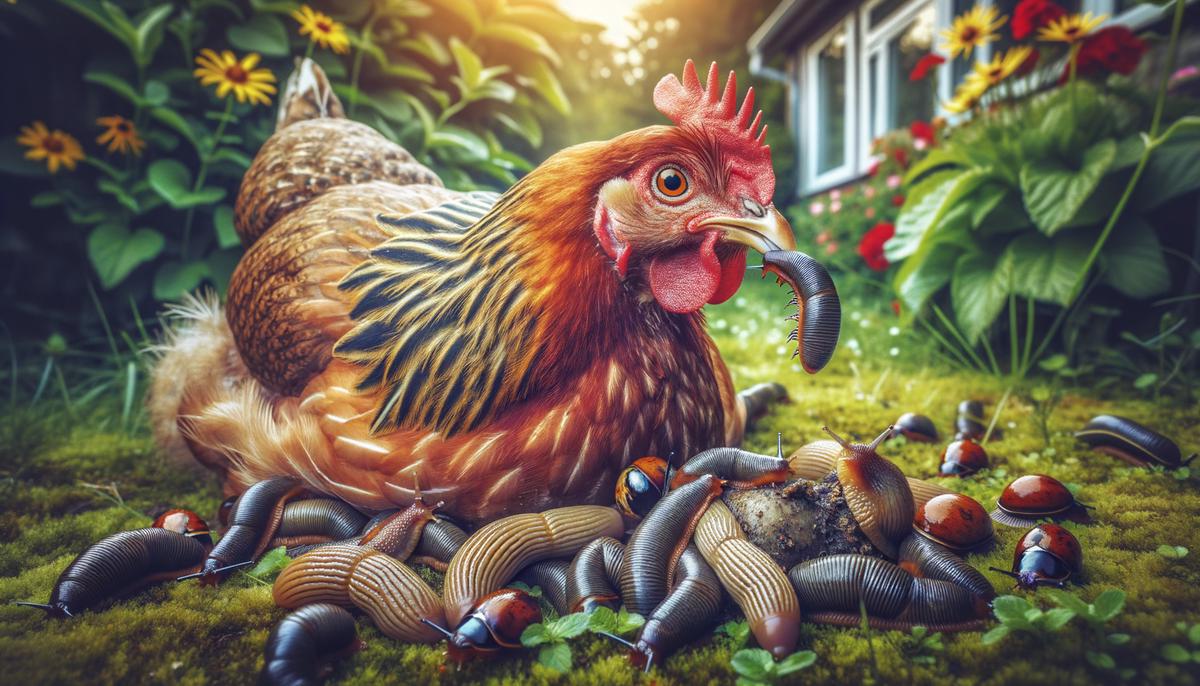
Chickens are effective at controlling garden pests like slugs, beetles, and grasshoppers, reducing the need for chemical pesticides. However, they may also consume beneficial insects or damage young plants. To prevent this, use temporary barriers or chicken tractors to direct their foraging.
Important: While chickens can help with pest control, it’s crucial to supplement their diet with quality feed to ensure proper nutrition. This keeps them healthy and active in their pest control duties.
Chickens also assist in weed management by scratching and uprooting small weeds. However, they don’t discriminate between weeds and desired plants. Use mulch and protective covers to safeguard your plants while allowing chickens to help with weed control.
Incorporating chickens into your garden pest management requires careful planning and observation. By leveraging their natural behaviors and implementing appropriate controls, you can create a balanced ecosystem where both plants and chickens thrive.
Incorporating chickens into your garden can improve pest management and soil enrichment. By using their natural behaviors effectively, you create a balanced ecosystem. With proper planning and oversight, both plants and chickens can flourish in your garden.
- Damerow G. The Chicken Health Handbook. 2nd ed. Storey Publishing; 2015.
- Frame D. Proper Composting of Chicken Manure. Utah State University Extension.
- Clark S, Gage S. Chickens in the Garden: Pest Control and Soil Management. Journal of Sustainable Agriculture. 2018;42(3):245-259.